
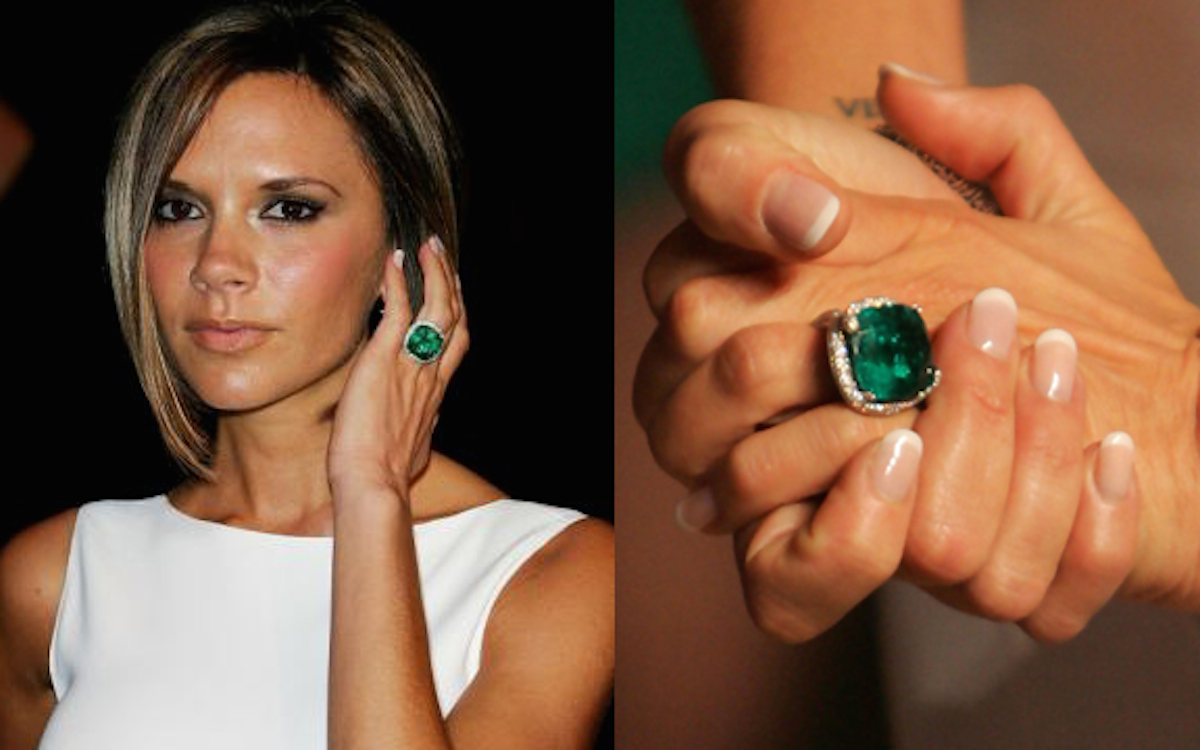
A gemstone engagement ring can feel more personal than a traditional diamond, but beauty and symbolism are only part of the decision. Because an engagement ring is usually worn every day, the best choice balances color, durability, setting, care, budget, and the wearer’s preferences.
Some people also associate gemstones with chakras, planets, or emotional qualities. These are spiritual and cultural interpretations, not scientifically established effects. They can still be meaningful as personal symbolism, provided practical jewelry considerations guide the purchase.
Quick guide to choosing a gemstone engagement ring
- Prioritize daily-wear durability: hardness helps resist scratches, while toughness and cleavage affect chipping and breakage.
- Ask about treatments: heat, oil, resin, coatings, and laboratory creation can affect value and care.
- Choose a protective setting: bezels, halos, and sturdy prongs can protect exposed edges and corners.
- Match the wearer: consider lifestyle, favorite colors, ring size, metal allergies, and willingness to remove the ring for chores.
- Request documentation: get the stone identity, measurements, treatments, return policy, and warranty in writing.
Hardness is useful, but it is not the whole story
The Mohs scale compares resistance to scratching; it does not measure every kind of durability. Diamond ranks 10, ruby and sapphire rank 9, alexandrite about 8.5, spinel and topaz 8, emerald and aquamarine about 7.5 to 8, amethyst 7, tanzanite about 6 to 7, and pearl roughly 2.5 to 4.5. The scale is not linear, so a stone rated 9 is not simply ten percent softer than a diamond.
Toughness matters too. Topaz is hard but has perfect cleavage, which means a sharp impact can split it. Emerald commonly contains inclusions and may be treated with oil or resin, so it needs gentler wear and cleaning. Pearls, opals, and many softer stones can make beautiful rings, but they usually require more protection and maintenance than sapphire, ruby, spinel, or diamond.
Strong options for everyday wear
Sapphire
Sapphire is a durable corundum gemstone available in blue, pink, yellow, green, white, and other colors. Its hardness and lack of easy cleavage make it a practical alternative for many daily-wear rings. Ask whether the stone has been heat-treated or otherwise enhanced, and keep the disclosure with your purchase records.
Ruby
Ruby is red corundum and shares sapphire’s hardness. Color, clarity, origin claims, and treatment can strongly affect price. A laboratory report from a reputable gemological laboratory can help document what you are buying, especially for a valuable stone.
Spinel
Spinel ranks 8 and occurs in red, pink, blue, purple, gray, and other colors. It can offer vivid color with good daily-wear potential. Natural and laboratory-grown spinel both exist, so the seller should clearly identify the product.
Alexandrite
Alexandrite is a color-change variety of chrysoberyl. It is hard enough for regular wear, but fine natural material can be rare and expensive. Because synthetic and imitation stones are common, request clear identification rather than relying on a dramatic color change alone.
Beautiful choices that need additional care
Emerald
Emerald is a green variety of beryl. It is hard enough to resist many scratches, yet inclusions can make it more vulnerable to impact. A protective setting and gentle cleaning are sensible. Avoid ultrasonic cleaning unless a qualified jeweler confirms it is safe for that particular stone and treatment.
Aquamarine
Aquamarine is also beryl and typically ranges from pale blue to blue-green. It can work well in an engagement ring, especially in a protective setting. Ask whether color treatment has been used and have loose prongs checked periodically.
Topaz
Topaz can be attractive and affordable, but its cleavage makes edge protection important. Coated “mystic topaz” is genuine topaz with a surface treatment; it is not necessarily fake, though the coating can scratch or wear. The treatment should be disclosed so the owner can care for it properly.
Amethyst, tanzanite, and pearl
Amethyst can suit careful wear, while tanzanite is more vulnerable to scratching and impact. Pearls are much softer and can be damaged by cosmetics, household chemicals, and abrasion. These choices are often better for someone comfortable removing the ring during exercise, cleaning, gardening, and other hands-on activities.
Gemstone symbolism and chakra associations
Color symbolism can make a ring feel intentional. In some modern spiritual practices, red stones are associated with grounding, green or pink stones with the heart, blue stones with communication, indigo or violet stones with intuition, and clear or white stones with the crown chakra. Traditions vary, and a stone’s color does not prove that it can heal, attract money, guarantee love, or change a relationship.
A healthier way to use symbolism is as a reminder of a shared value: sapphire for steadiness, ruby for warmth, aquamarine for calm communication, or emerald for renewal. The meaning comes from the couple’s story and commitments. If you are reflecting on commitment more broadly, our guide to what a soulmate can mean separates personal belief from the everyday work of a relationship. You can also explore ways to show love that truly matter beyond a single purchase.
Questions to ask before buying
- Is the stone natural, laboratory-grown, assembled, or an imitation?
- Has it been heated, filled, coated, irradiated, oiled, or treated in another way?
- What cleaning methods should be avoided?
- Does the setting protect corners, points, and the girdle?
- Can the ring be resized, and will resizing affect the setting?
- What do the warranty, return period, and insurance appraisal actually cover?
Compare several stones in different lighting, inspect the ring from every angle, and choose a seller who provides clear written disclosures. For a costly purchase, an independent appraisal or gemological report can reduce uncertainty. No gemstone guarantees eternal love; the ring is a symbol, while trust, communication, and mutual choice sustain the relationship.
Frequently asked questions
What gemstones are durable enough for an engagement ring?
Sapphire, ruby, spinel, alexandrite, and diamond are among the stronger daily-wear options. Setting design, stone shape, inclusions, cleavage, and the wearer’s activities also affect durability.
Is an emerald suitable for everyday wear?
It can be, but emerald often needs more care because inclusions and treatments may make it vulnerable to impact or unsuitable for ultrasonic cleaning. A protective setting and regular jeweler inspections help.
Is mystic topaz fake?
Mystic topaz is usually real topaz with a thin surface coating that creates iridescent color. The coating is a treatment and can wear or scratch, so it should be disclosed and cleaned gently.
Do gemstones have proven healing or relationship powers?
No scientific evidence establishes that a gemstone can heal illness, attract money, guarantee love, or control a relationship. Spiritual associations may be used as personal or cultural symbolism.