
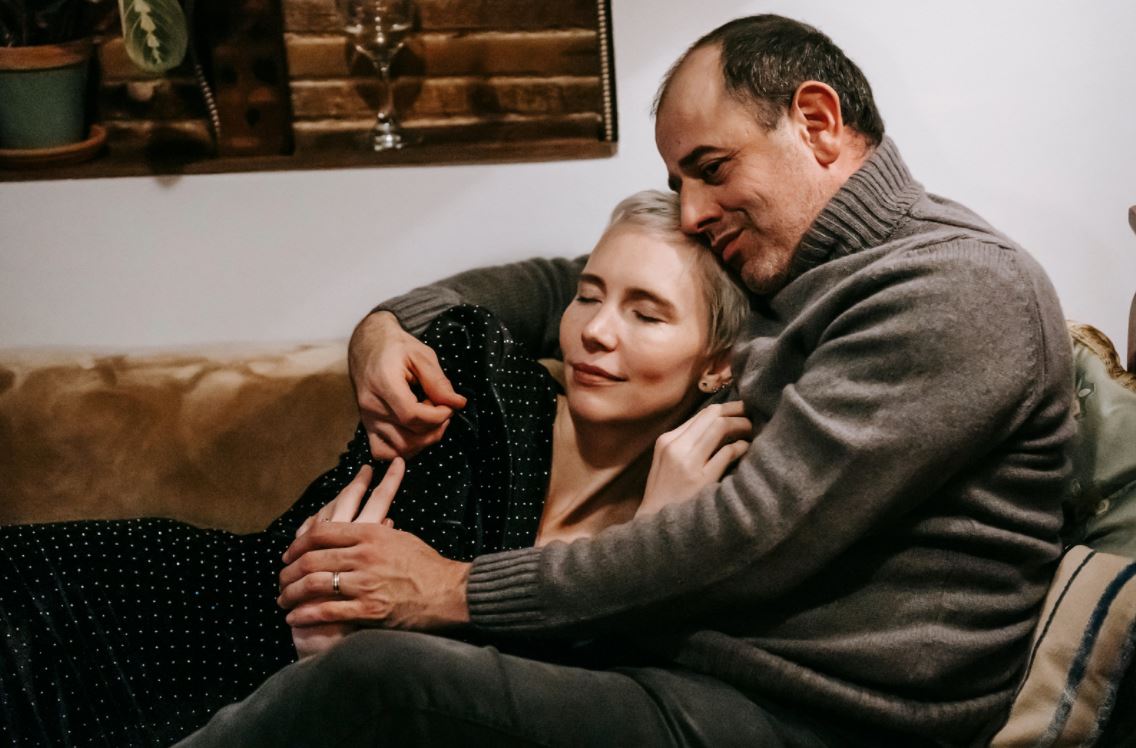
Calling someone a soulmate can express closeness, shared values, spiritual meaning, or the feeling that a relationship changed your life. But the label itself cannot tell you whether a person loves you—or whether the relationship is healthy. Love is better assessed through a pattern of voluntary, observable behavior over time.
A psychic reading, powerful coincidence, sense of familiarity, or past-life belief may be personally meaningful. None can establish another person’s private feelings or override what they say and do. The useful question is not only “Are we soulmates?” but also: “Do I feel respected, safe, known, and free to be myself in this relationship?”
Quick Guide: Look for a Pattern, Not a Sign
- Words and actions align. Affection is supported by reliable behavior.
- Your boundaries matter. “No,” “not yet,” and “I need space” are respected.
- Interest is mutual. Both people initiate, listen, repair, and make room for each other.
- You retain your agency. Love does not require giving up friends, privacy, money, beliefs, or goals.
- Conflict stays respectful. Disagreement does not become threats, humiliation, punishment, or control.
The CDC’s relationship education materials describe respect, healthy communication, equality, listening, and boundaries as features of a healthy relationship. Those qualities are more informative than intensity alone.
What Loving Behavior Looks Like
Someone who loves you does not have to be perfect. They do need to participate. Over weeks and months, look for evidence such as:
- They make realistic plans and follow through, or communicate when plans change.
- They are curious about your experiences rather than assuming they know everything about you.
- They can hear a concern without immediately attacking, mocking, or withdrawing affection.
- They celebrate your friendships, work, interests, and growth outside the relationship.
- They take responsibility for specific harm and make a concrete effort not to repeat it.
- They do not use spiritual language to excuse dishonesty, pressure, or disrespect.
Reciprocity does not mean every day is divided exactly in half. It means both people’s needs and limits count. A temporary imbalance during illness or stress can be caring when it is discussed freely; a permanent expectation that one person sacrifices while the other controls is different.
Intensity Is Not the Same as Compatibility
A rush of recognition can feel profound. It may come from attraction, novelty, hope, shared history, anxiety, an intermittent pattern of attention, or a spiritual interpretation. Strong emotion tells you that an experience matters to you; it does not automatically tell you what the relationship will become.
Compatibility becomes visible in everyday life: expectations about commitment, money, children, intimacy, communication, household labor, faith, and future plans. Ask direct questions and notice whether both people can discuss differences without coercion.
If spiritual ideas about karma are shaping your expectations, use this grounded approach to love karma and relationship patterns. A karmic story can prompt reflection, but it does not obligate either person to stay.
Use the Observation–Interpretation–Question Method
When uncertainty is high, separate what happened from what you think it means:
| Observation | Possible interpretation | Useful question |
|---|---|---|
| They message warmly, then disappear for days. | Busy schedule, inconsistent interest, avoidance, or another issue. | “What kind of communication can we realistically expect?” |
| We share many unusual coincidences. | Shared interests, selective attention, chance, or spiritual meaning. | “Do our values and relationship goals also align?” |
| They say I am their destiny. | Affection, idealization, persuasion, or a sincere spiritual belief. | “How do they respond when I set a limit?” |
Do not secretly test a partner or ask a reader to read their mind. Invite direct conversation. You might say: “I care about you and want to understand how you see this relationship. What does commitment mean to you right now?” Listen for a clear answer, then compare it with conduct over time.
A Four-Week Relationship Reality Check
- Track facts. Briefly record plans, follow-through, communication, boundary responses, and how you feel after interactions. Avoid interpreting every delay or emoji.
- Name your needs. Choose two or three concrete needs, such as exclusivity, weekly time together, respectful conflict, or financial independence.
- Have one direct conversation. State your needs without making the soulmate label the deciding argument.
- Review the pattern. Did behavior become clearer? Were agreements mutual? Do you feel more secure and free, or more confused and constrained?
This is not a pass-fail quiz and it should not be used to demand constant reassurance. Its purpose is to replace repeated guessing with information you can evaluate.
What a Psychic Reading Can and Cannot Do
A relationship reading may help you organize feelings, identify questions, or consider an unfamiliar perspective. It cannot verify that another person loves you, guarantee marriage, establish a past-life bond, or give consent on someone else’s behalf. Treat predictions as possibilities, not instructions.
Be cautious if a reader says only they can reunite you, remove a curse, confirm a twin flame, or secure someone’s love for escalating fees. No ethical service should pressure you to keep paying because a relationship is “destined.” Our guide to supernatural-connection claims offers a practical way to separate symbolism from relationship evidence.
Red Flags That the Soulmate Story Can Hide
Pause when the label is used to justify jealousy, surveillance, isolation, sexual pressure, financial control, repeated betrayal, threats, or the belief that you must endure harm to clear karma. A meaningful connection does not cancel consent or safety.
If you met online and the person asks for money before you have met in person, take that seriously. The Federal Trade Commission’s current romance-scam guidance recommends not sending money or gifts to an online love interest you have not met and explains how to report a suspected scam.
If you feel afraid or controlled, use a safe device to contact a trusted person or a local domestic-violence service. Do not announce a departure plan if doing so could increase danger. Spiritual advice is not a substitute for safety planning or qualified legal, financial, or mental-health help.
If the Love Is Not Mutual
Someone can be important to you without choosing the same relationship. Their “no,” uncertainty, or lack of participation is information—not a spiritual obstacle to overcome. Do not pursue, monitor, repeatedly contact, or pay someone to influence them.
Grief after rejection is real. Reduce repeated checking, lean on supportive people, and return attention to sleep, meals, work, and activities that are yours. If the same painful dynamic keeps repeating, this guide to interrupting a relationship cycle can help you map triggers and choose a different response.
A Better Definition of “Soulmate Love”
You can use soulmate as a personal word for a relationship that feels deeply significant. Keep the definition flexible enough to include reality: two autonomous people choosing honesty, care, consent, and repair. A soulmate label is not ownership, proof, or a promise of permanence.
The clearest evidence of love is not a dramatic sign. It is a durable pattern in which both people can speak honestly, set limits, make choices freely, and grow without fear.
Frequently Asked Questions
How can I tell if my soulmate really loves me?
Look for a consistent pattern of respect, honesty, mutual effort, reliable follow-through, and care for your boundaries. A spiritual label or intense feeling cannot replace observable behavior and direct conversation.
Can a psychic confirm that someone loves me?
No psychic can verify another person’s private feelings or guarantee a relationship outcome. A reading can be used for reflection, but decisions should be based on communication, consent, conduct, and safety.
Does an intense connection mean we are compatible?
Not necessarily. Intensity may reflect attraction, novelty, anxiety, hope, or shared history. Compatibility is better assessed through everyday values, goals, conflict behavior, and the ability to respect differences.
What if I believe we are soulmates but they do not want a relationship?
Their choice must be respected. Do not treat rejection as a spiritual test or try to influence them through repeated contact. Give yourself space to grieve and redirect support toward your own wellbeing.
Can a soulmate relationship still be unhealthy?
Yes. Any relationship can include coercion, control, dishonesty, or abuse. The soulmate label never cancels boundaries, consent, financial independence, or the right to leave safely.