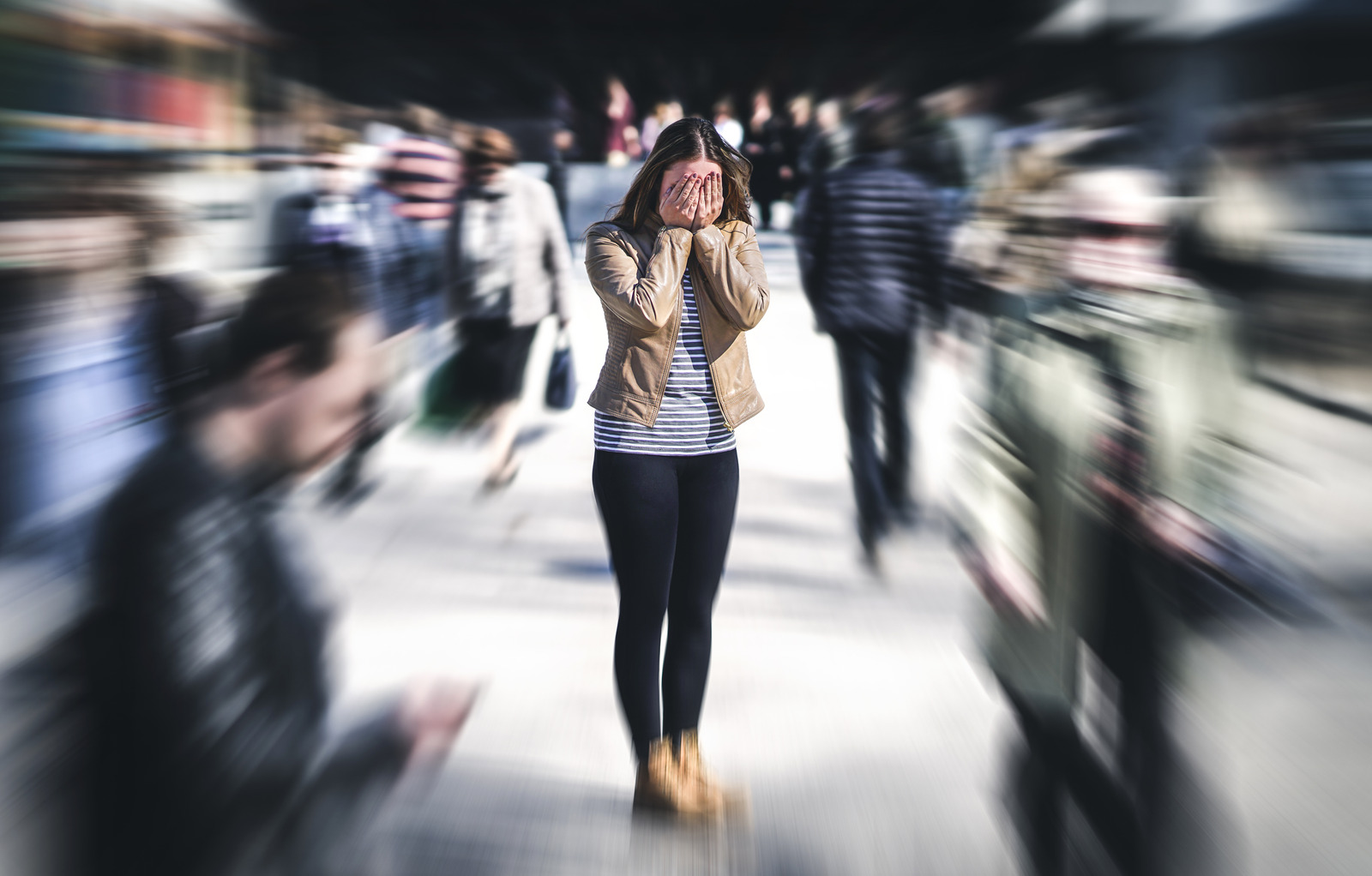
“Psychic attack” is a spiritual label some people use when they feel suddenly drained, frightened, watched, unlucky, or overwhelmed by negative thoughts. Those experiences can be intense, but they do not establish that another person or supernatural force is attacking you. Stress, conflict, poor sleep, illness, medication effects, substance use, grief, anxiety, and unsafe surroundings can create similar feelings.
A safety-first response does not require you to abandon your beliefs. It asks you to check urgent and ordinary causes before settling on an explanation that could increase fear or delay help.
Start with immediate safety
If you have severe chest pain, trouble breathing, sudden confusion, fainting, a new neurological symptom, or believe you may harm yourself or someone else, contact your local emergency service. If you hear voices commanding harm, feel unable to tell what is real, or have rapidly worsening unusual experiences, seek urgent medical or mental-health support. The National Institute of Mental Health advises contacting a health professional when changes in thinking or behavior intensify or do not go away.
If another person is threatening, stalking, monitoring, isolating, or controlling you, focus on the observable conduct. Contact a trusted person or local abuse service from a safer device. Do not confront someone because a reading or feeling identified them as the source of an attack.
Check the environment and your body
Before trying a spiritual remedy, review basic conditions. Ask whether you have slept enough, eaten regularly, hydrated, changed medication, used more caffeine or alcohol, or experienced a recent illness. Persistent exhaustion, headaches, body pain, nightmares, or loss of interest deserve appropriate medical or mental-health assessment; they are not proof of a damaged aura.
Also check the building. Poor ventilation, heat, noise, pests, mold, gas appliances, and carbon monoxide can affect comfort and health. Make sure smoke and carbon-monoxide alarms work. Leave immediately and contact emergency or utility services if an alarm sounds or several people become suddenly ill in the same space. The safety process in our guide to unexplained experiences at home provides a practical checklist.
Map what happened without reinforcing fear
Create a simple incident log with five fields: time, place, exact sensation, events just before it, and what helped. Record facts such as “slept four hours,” “argument at work,” or “headache began near the heater.” Avoid writing “enemy sent energy” as if it were established evidence.
Review the log after several days. Look for patterns involving sleep, meals, people, tasks, rooms, devices, or substances. Include days when nothing happened. Counting quiet periods and failed predictions helps prevent a frightening explanation from becoming self-confirming.
Use grounding tools that do not claim a cure
- Place both feet on the floor and name five things you can see, four you can feel, three you can hear, two you can smell, and one you can taste.
- Slow your exhale and relax one muscle group at a time.
- Drink water, eat if needed, reduce stimulation, and move to a well-lit familiar space.
- Call a trusted person and describe observable facts.
- Take a brief walk or stretch if it is medically safe.
- Reduce frightening videos, readings, and repeated online searches while distressed.
These steps can help regulate attention and the stress response. They do not prove or disprove a spiritual cause.
Optional spiritual practices
Prayer, meditation, visualization, music, or tidying a room may provide comfort when treated as personal rituals. You might imagine a boundary of light while also locking doors, limiting unwanted contact, and following a practical care plan. The ritual should support action rather than replace it.
Avoid smoke-cleansing in spaces with asthma, children, pets, poor ventilation, oxygen equipment, or fire risk. Do not put crystals under a pillow if they are sharp, fragile, or small enough to create a hazard. Essential oils can irritate skin, affect pets, or interact with health conditions; they are not a treatment for persistent nightmares, pain, or fatigue.
Separate intuition from certainty
An uncomfortable impression may prompt you to pause or gather information, but it cannot identify who intends harm. Use the observation-versus-interpretation method in our grounded intuition guide. List alternative explanations and choose a reversible test instead of accusing someone or cutting off safe support.
Be especially cautious after conflict. Feeling depleted around a person can signal stress, poor boundaries, or harmful behavior without proving that energy was deliberately sent. Address what can be verified: insults, pressure, threats, financial demands, repeated calls, or ignored boundaries.
Avoid fear-based psychic scams
Scammers may say you are cursed, under attack, surrounded by darkness, or in danger unless you pay for cleansing. Common warning signs include secrecy, urgency, escalating fees, guaranteed protection, and requests for unusual payment methods. No reader can verify a supernatural attack or promise immunity from harm.
Stop paying, preserve messages and receipts, secure affected accounts, and report suspected fraud through the relevant payment provider or consumer authority. See how to avoid psychic-reading scams for a detailed recovery plan.
Build a practical recovery plan
- Address urgent medical, environmental, or interpersonal danger.
- Restore sleep, food, hydration, routine, and supportive contact.
- Reduce exposure to anyone profiting from your fear.
- Track symptoms and circumstances without assuming a cause.
- Discuss persistent problems with an appropriate professional.
- Use optional spiritual practices only as safe sources of comfort.
Improvement does not confirm that a ritual removed an attack. Rest, reduced conflict, expectation, time, and practical changes can all affect how you feel. The important outcome is greater safety, functioning, and choice.
Frequently asked questions
Do tiredness and negative thoughts prove a psychic attack?
No. They can have many physical, emotional, environmental, and situational causes. Track context and seek qualified care when symptoms are persistent, severe, or disruptive.
Is aura cleansing a medical treatment?
No. A cleansing ritual may be personally comforting, but it cannot diagnose or treat illness. Use evidence-based care for physical or mental-health concerns.
Should I confront the person I think attacked me?
Not based on an impression alone. Focus on observable behavior, gather evidence safely, set boundaries, and seek appropriate support if there are threats, stalking, abuse, or other real-world risks.
What if a psychic says I must pay to remove a curse?
Do not pay under pressure. End contact, preserve evidence, secure financial accounts, and report suspected fraud. Claims of guaranteed curse removal or protection are major scam warnings.